What Is the Best Deck Material for New York Weather?
For homeowners in Moravia, Auburn, Ithaca, Syracuse, Cortland, Cayuga County, Tompkins County, Onondaga County, and the surrounding Central NY area, the best deck material depends on the home, the exposure, the budget, and how much maintenance you are willing to keep up with.
Pressure-treated wood, composite decking, PVC decking, and cedar can all make sense in the right situation. The key is understanding what each material does well, where it falls short, and how proper installation affects long-term performance.

Why New York Weather Is Hard on Decks
Central New York decks go through a lot during the year. A deck may be soaked with spring rain, baked by summer sun, covered in wet leaves during fall, and buried under snow and ice during winter.
That creates several common problems:
Moisture gets into wood and framing.
Freeze/thaw cycles cause materials to expand and contract.
Direct sun can fade, dry, or heat up deck boards.
Shaded areas stay damp longer.
Snow and ice can sit on stairs, landings, and deck boards.
Leaves and debris can trap water against the surface.
Poor airflow under the deck can slow drying.
Improper flashing can allow water to collect where the deck meets the house.
That is why the “best” deck material is not always the same for every home. A sunny deck in Auburn may need a different approach than a shaded backyard deck near Ithaca, a lake-area deck with extra moisture exposure, or a high-traffic family deck in Syracuse.
Pressure-Treated Wood Decking

Pressure-treated wood is one of the most common deck materials in New York. It is widely available, familiar, and usually the most budget-friendly option upfront.
For homeowners who want a solid deck without the higher initial cost of composite or PVC, pressure-treated wood can still be a practical choice.
Benefits of Pressure-Treated Wood
Pressure-treated wood is popular because it gives homeowners a traditional wood deck at a lower starting cost. It can be used for deck boards, railings, stairs, and framing when the correct material is selected.
It is also easy to repair compared to some specialty decking products. If a board gets damaged, it is usually straightforward to replace.
Pressure-treated wood is a good fit for homeowners who want:
A lower upfront material cost
A traditional wood appearance
The ability to stain or paint the deck
A strong and familiar building material
A practical option for framing and structural components
A deck that can be repaired or updated over time
Things to Consider with Pressure-Treated Wood
The tradeoff is maintenance. Pressure-treated wood is still real wood, which means it can absorb moisture, dry out, crack, split, cup, warp, and fade over time.
In Central New York weather, pressure-treated deck boards need regular care if you want them to keep looking good. That usually means cleaning, sealing, staining, and keeping an eye on areas where water sits or debris builds up.
Pressure-treated wood may not be the best choice for homeowners who want a low-maintenance deck. It can perform well, but it should not be treated like a no-maintenance material.
Composite Decking

Composite decking is a popular option for homeowners who want the look of a finished deck without the same maintenance schedule as wood.
Most composite decking is made from a combination of wood fibers and plastic. Many modern composite boards also have a protective cap on the surface to help resist moisture, staining, and fading.
Benefits of Composite Decking
Composite decking is often a strong middle-ground option. It costs more upfront than pressure-treated wood, but it generally requires less maintenance over time.
For many Central New York homeowners, composite decking offers a good balance of appearance, durability, and convenience.
Composite decking is a good fit for homeowners who want:
Lower maintenance than wood
No regular staining or sealing
A clean, finished appearance
More color and style options
Better resistance to surface rot than wood decking
A deck that stays more consistent-looking over time
Composite decking is often a strong choice for families, rental properties, busy homeowners, and anyone who wants an attractive deck without committing to frequent wood maintenance.
Things to Consider with Composite Decking
Composite decking is not perfect. It usually costs more upfront than pressure-treated wood, and darker colors can get hot in direct sun.
Product quality also matters. Not all composite boards are built the same, and lower-quality products may be more likely to fade, stain, or wear unevenly.
Composite decking also still needs to be installed correctly. Proper spacing, fasteners, ventilation, and framing protection are important. The surface board may be low-maintenance, but the structure underneath still needs to be built to handle moisture and seasonal movement.
PVC Decking

PVC decking is a fully synthetic decking material. Unlike composite, it does not rely on wood fibers in the same way, which gives it strong moisture resistance.
For decks that deal with shade, wet conditions, snow, ice, or limited drying time, PVC can be one of the strongest choices.
Benefits of PVC Decking
PVC decking is usually considered a premium, low-maintenance option. It is highly moisture-resistant and does not require staining or sealing.
PVC decking is a good fit for homeowners who want:
Excellent moisture resistance
Very low maintenance
No staining or sealing
Strong resistance to rot on the deck board itself
A good option for shaded or damp areas
A premium deck surface with long-term durability
PVC can make a lot of sense for homes where moisture is a major concern. If a deck is surrounded by trees, close to water, slow to dry, or heavily exposed to snow and ice, PVC is worth considering.
Things to Consider with PVC Decking
The biggest downside is cost. PVC decking is usually one of the more expensive options.
It can also expand and contract with temperature changes, so proper installation is extremely important. Board spacing, manufacturer guidelines, fasteners, and layout all matter.
Like composite decking, PVC can also get hot in direct sun depending on the color. Lighter colors may be more comfortable for decks that get full summer exposure.

Cedar and Other Natural Wood Decking
Cedar can be a beautiful option for homeowners who want a natural wood look. It has warmth, character, and a softer appearance than many manufactured decking products.
Benefits of Cedar
Cedar is often chosen because of how it looks. It can fit well with rustic homes, lake-area properties, older homes, cabins, and homeowners who prefer natural materials.
Cedar is a good fit for homeowners who want:
A real wood appearance
Natural color and grain
A lighter-weight wood option
A deck that can be stained or sealed
A warmer, more natural feel underfoot
For the right homeowner, cedar can be a beautiful choice.
Things to Consider with Cedar
Cedar still requires maintenance. In Central New York weather, it will fade, weather, and age if it is not protected.
It is also softer than many other decking options, which means it can scratch and dent more easily. Homeowners with large dogs, heavy patio furniture, or high foot traffic should keep that in mind.
Cedar is usually best for homeowners who value natural appearance and are willing to maintain it. It is not usually the best choice for someone who wants the lowest-maintenance deck possible.
The Framing Matters Just as Much as the Deck Boards
A deck is more than the boards you walk on.
Even the best decking material can fail early if the structure underneath is not built correctly. In New York weather, the substructure is one of the most important parts of the entire deck.
The framing includes posts, beams, joists, blocking, stairs, railings, hardware, fasteners, and the ledger board where the deck connects to the house.
A long-lasting deck should include:
Properly rated framing lumber
Solid footings and support posts
Correct ledger attachment
Proper flashing where the deck meets the house
Good drainage
Airflow under the deck
Correct board spacing
Proper fasteners for the material being used
Joist protection where appropriate
Safe stairs and railings
Code-compliant construction details
Water is one of the biggest threats to a deck. If moisture sits on top of joists, gets trapped behind the ledger, collects around posts, or stays between tightly spaced deck boards, the deck can deteriorate faster.
This is especially important in Central New York, where snow, ice, spring rain, and fall leaves can keep parts of a deck wet for long periods.
Moisture Resistance: Wood vs. Composite vs. PVC
Moisture is one of the main reasons decks wear out early.
Pressure-treated wood can handle exterior exposure better than untreated wood, but it still needs airflow and maintenance. If it stays wet too long, it can crack, split, soften, or decay over time.
Composite decking handles moisture better than traditional wood decking, especially when using a quality capped product. It is a strong option for homeowners who want lower maintenance without jumping all the way to a premium PVC product.
PVC decking is usually the best choice when moisture resistance is the top priority. Because it is fully synthetic, it is highly resistant to water-related surface issues.
For damp, shaded, or heavily wooded properties, moisture resistance should be one of the biggest factors in choosing a deck material.
Freeze/Thaw Cycles and Winter Performance
New York winters are hard on decks because materials repeatedly get wet, freeze, thaw, and freeze again.
Wood naturally expands and contracts as moisture levels change. Over time, this can lead to cracking, checking, cupping, and movement.
Composite and PVC decking are more moisture-resistant, but they still expand and contract with temperature changes. That is why proper spacing and fastening are so important.
A winter-ready deck should be built with attention to:
Drainage
Board spacing
Stair safety
Railing strength
Proper hardware
Moisture protection
Snow and ice exposure
Airflow around the framing
No decking material makes a deck completely immune to winter. The goal is to choose the right material and install it in a way that helps it handle seasonal movement.
Sun Exposure and Heat
Sun exposure is another factor homeowners should think about before choosing decking.
Pressure-treated wood can dry out, fade, and crack in direct sun if it is not maintained.
Composite and PVC decking resist many moisture issues, but darker colors can get hot during the summer. This matters if the deck gets full sun and will be used by kids, pets, or anyone walking barefoot.
For sunny decks, consider:
Lighter board colors
UV-resistant product lines
Shade options
How hot the surface may feel
The direction the deck faces
Whether the deck gets afternoon sun
The right color choice can make a big difference in comfort.
Maintenance Comparison
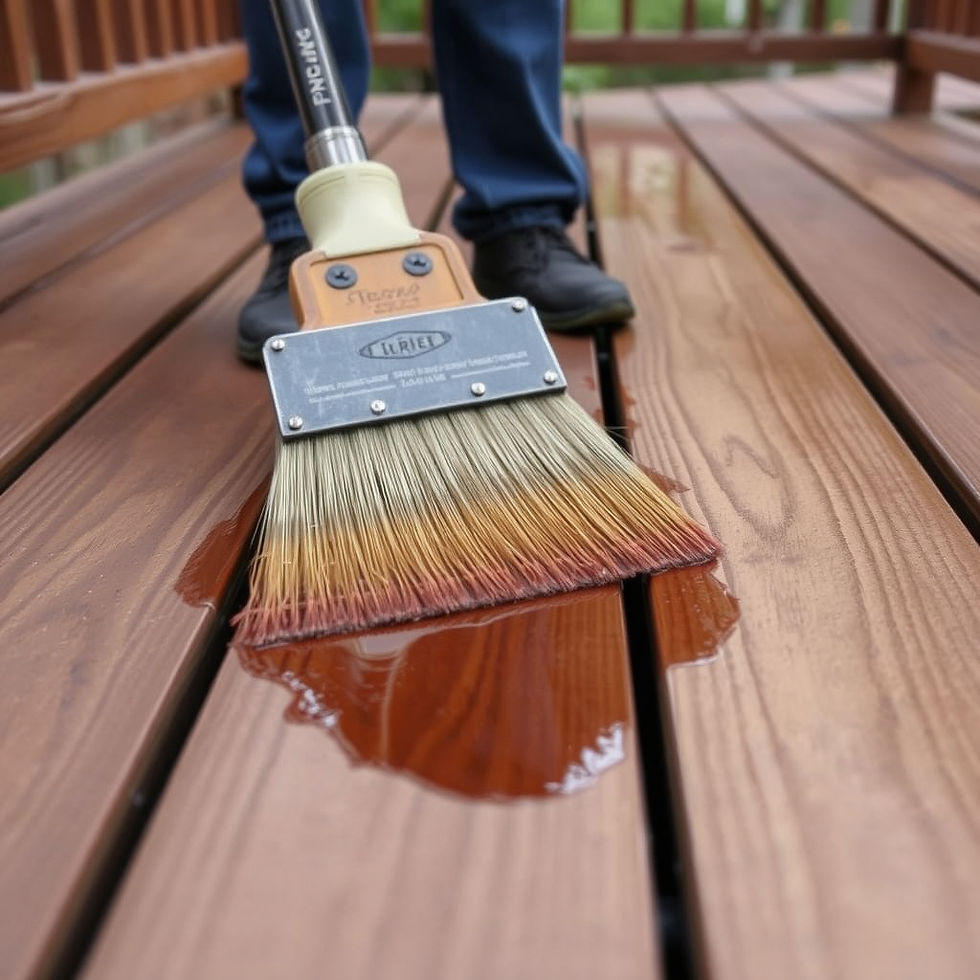
Pressure-treated wood requires the most maintenance. It should be cleaned, sealed or stained, and checked regularly for cracking, splintering, loose fasteners, and weathering.
Composite decking requires less maintenance. It still needs to be cleaned, but it does not need regular staining or sealing.
PVC decking is usually the lowest-maintenance option for the surface boards. It still needs cleaning, but it offers excellent resistance to moisture-related issues.
Cedar requires regular maintenance if you want to preserve its color and appearance. Without maintenance, it will naturally weather and fade.
For homeowners who enjoy maintaining a real wood deck, pressure-treated wood or cedar may be a good fit. For homeowners who want less upkeep, composite or PVC usually makes more sense.
Best Budget-Friendly Deck Material
Pressure-treated wood is usually the best budget-friendly option.
It keeps the upfront cost lower and can perform well when properly installed and maintained. It is a practical choice for homeowners who want a functional, attractive deck and are comfortable with routine care.
Pressure-treated wood makes the most sense when upfront cost is the main concern and the homeowner understands that maintenance will be part of the long-term plan.
Best Low-Maintenance Deck Material
Composite decking is often the best low-maintenance choice for many Central New York homeowners.
It offers a polished appearance, does not require regular staining, and handles moisture better than traditional wood decking. It is not always the cheapest option upfront, but it can be a strong long-term value for homeowners who want less upkeep.
Composite decking is a good choice for busy homeowners, families, and anyone who wants a deck that looks finished without constant maintenance.
Best Moisture-Resistant Deck Material
PVC decking is usually the best moisture-resistant option.
For shaded decks, damp yards, heavily wooded properties, lake-area homes, or decks that are slow to dry, PVC is worth considering. It is a premium product, but its moisture resistance can be a major advantage in New York weather.
PVC makes the most sense when long-term moisture resistance and low maintenance are top priorities.
Best Premium Deck Material
A high-quality PVC or premium capped composite deck is usually the best premium choice.
These materials offer strong performance, attractive colors, low maintenance, and a more finished appearance. They cost more upfront, but they can be a smart investment for homeowners who want a long-lasting outdoor space.
A premium deck still needs proper installation. The best material will not perform the way it should if the framing, flashing, spacing, and fasteners are wrong.
Best Overall Choice for Many Central New York Homes
For many homeowners in Central New York, quality capped composite decking with a properly built pressure-treated substructure offers the best balance of appearance, durability, maintenance, and cost.
It gives homeowners a lower-maintenance surface without the highest price point of some PVC options.
That said, the best choice depends on the property:
A damp, shaded deck may be better suited for PVC.
A budget-conscious project may make more sense with pressure-treated wood.
A homeowner who loves natural materials may prefer cedar.
A homeowner who wants the best balance of long-term appearance and lower maintenance may choose composite.
There is no single perfect deck material for every home. The right answer depends on how the deck will be used, how exposed it is, how much maintenance the homeowner wants to do, and what budget makes sense.
A Good Deck Is Built from the Frame Up
When homeowners compare deck materials, most of the focus goes to the surface boards. That makes sense because those are the boards you see every day.
But the frame underneath is what determines how solid, safe, and long-lasting the deck really is.
A well-built deck should manage water, allow airflow, use proper hardware, follow correct spacing guidelines, and be built with the right materials for the job.
Important details include:
Flashing the ledger correctly
Protecting joists from trapped water
Using the right fasteners
Allowing proper drainage
Keeping the frame ventilated
Installing boards with correct spacing
Building strong stairs and railings
Making sure the structure is properly supported
In Central New York, these details matter. A deck has to survive more than summer cookouts. It has to handle years of rain, snow, ice, humidity, sun, and seasonal movement.
So, What Deck Material Holds Up Best in New York Weather?
For many New York homeowners, capped composite decking is the best overall choice because it offers a strong balance of durability, appearance, lower maintenance, and weather resistance.
PVC decking is usually the best choice when moisture resistance is the top priority.
Pressure-treated wood is usually the best budget-friendly choice.
Cedar is best for homeowners who want natural wood character and are willing to maintain it.
The most important thing to remember is that the best deck is not just the best deck board. It is the right material installed the right way for the specific home, exposure, budget, and long-term maintenance plan.
A deck in Central New York should be built for real weather, real use, and real long-term performance.

Planning a Deck Project in Central New York?

If you are thinking about building, replacing, or upgrading a deck, Happy Homes CNY LLC can help you choose a material that makes sense for your home, your budget, and the way you actually plan to use the space.
From pressure-treated wood to composite and PVC decking, the right choice starts with understanding your property, moisture exposure, sun exposure, maintenance expectations, and long-term goals.
Happy Homes CNY LLC works with homeowners throughout Moravia, Auburn, Ithaca, Syracuse, Cortland, Cayuga County, Tompkins County, Onondaga County, and surrounding Central New York areas.
For deck building, deck replacement, deck repairs, and exterior home improvement projects, contact Happy Homes CNY LLC.
Happy Homes CNY LLC
Call 315-604-6376
Frequently Asked Questions
What deck material lasts best in New York weather?
PVC and high-quality capped composite decking are usually the strongest low-maintenance options for New York weather because they resist moisture better than traditional wood deck boards. Pressure-treated wood can also perform well, but it requires more maintenance.
What’s the difference between composite and PVC decking?
Composite decking is usually made from a mix of wood fibers and plastic, while PVC decking is fully synthetic. Both are lower-maintenance options compared to wood, but PVC typically offers stronger moisture resistance because it does not contain wood fiber. Composite often has a more natural wood-like look and can be a great balance of appearance, durability, and cost. PVC is usually the more premium option and can be a strong choice for damp, shaded, or high-moisture decks in Central New York.
Is pressure-treated wood still a good choice for decks?
Yes. Pressure-treated wood is still a good choice for many decks, especially when budget is a major factor. It works best when properly installed, protected from trapped moisture, and maintained with cleaning, sealing, or staining as needed.
Is composite decking worth it in Central New York?
For many homeowners, yes. Composite decking costs more upfront than pressure-treated wood, but it usually requires less maintenance and offers a more finished long-term appearance. It is often a good middle-ground option between cost, durability, and convenience.
Is PVC decking better than composite?
PVC is often better for high-moisture areas because it is fully synthetic and very moisture-resistant. Composite can be a better overall balance for homeowners who want a wood-like look with lower maintenance. The best choice depends on budget, exposure, color preference, and the specific product.
Does composite decking get hot in the sun?
Yes, composite decking can get hot in direct sun, especially darker colors. PVC and composite boards can both heat up depending on color and exposure. For sunny decks, lighter colors are usually more comfortable.
What matters most when building a deck in New York?
The material matters, but the installation matters just as much. Proper framing, flashing, drainage, ventilation, spacing, fasteners, and moisture protection are critical for a deck that can handle New York weather.
Should I choose wood or composite for my deck?
Choose pressure-treated wood if you want a lower upfront cost and do not mind maintenance. Choose composite if you want a cleaner finished look with less upkeep. Choose PVC if moisture resistance and low maintenance are top priorities.


Comments